2026-11-13 · Dan Kowalski
Winter Pipe Bursts in Jersey City Homes
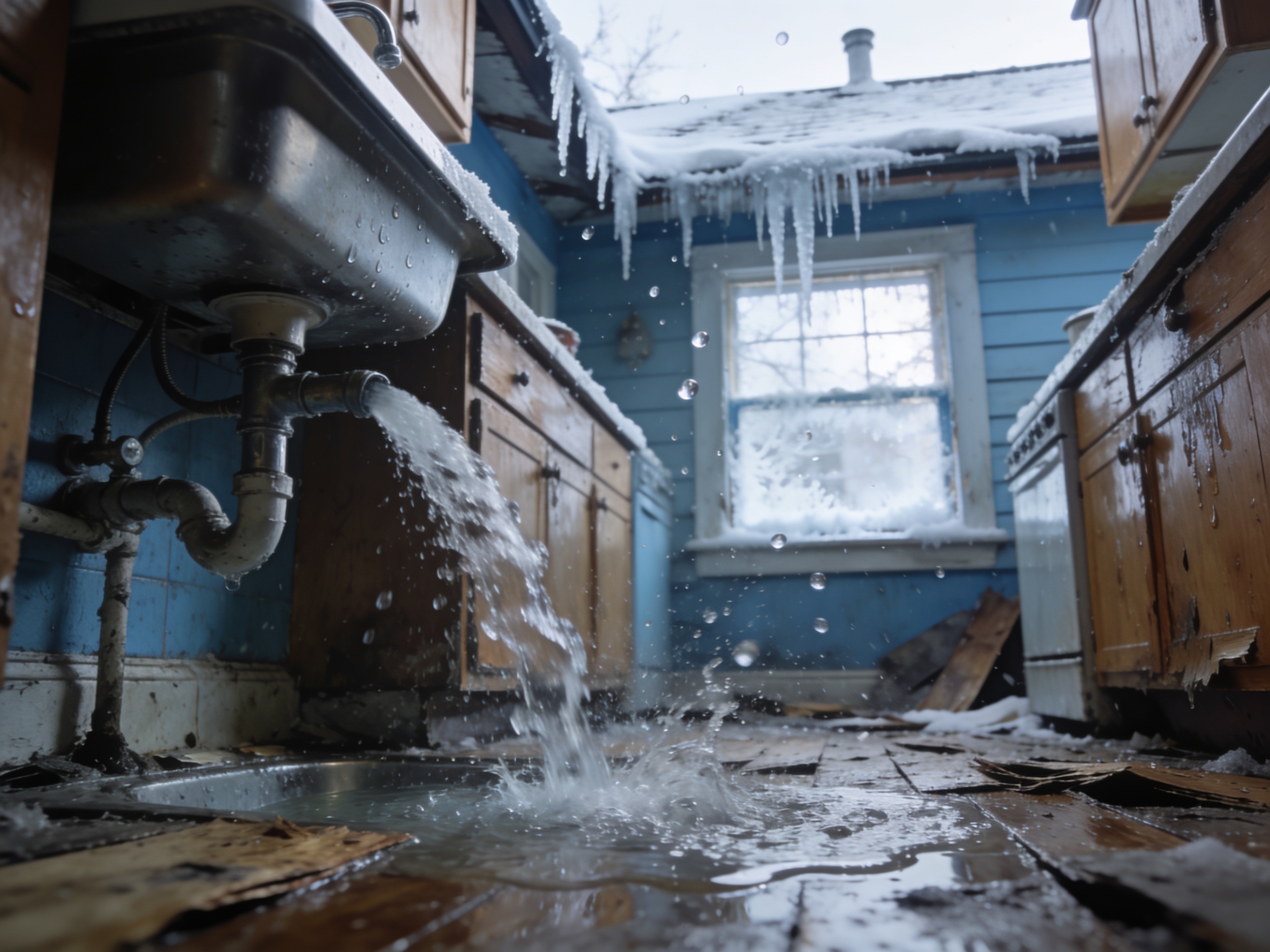
Winter pipe bursts in Jersey City homes most often occur when overnight lows drop below 20°F and water inside uninsulated pipes freezes and expands, splitting joints in 50- to 80-year-old galvanized lines common in The Heights and Bergen-Lafayette.
Why Pipes Fail During Hudson County Winters
Jersey City's humid subtropical climate brings cold winters that send temperatures well below freezing for days at a time. Homes built before 1960 in Paulus Hook Historic District and Van Vorst Park frequently contain galvanized steel or cast-iron supply lines that have thinned from decades of corrosion. When water turns to ice it increases in volume by roughly 9 percent, pushing against already weakened sections until they split. Wind off the Hudson River accelerates heat loss through exterior walls in Liberty Harbor and Newport, leaving pipes in unheated basements and crawl spaces especially vulnerable. Nearby cities like Hoboken and Bayonne share the same pattern because the same cold air mass covers the entire county.
Early Signs Homeowners Notice First
A sudden drop in water pressure at multiple fixtures usually appears before visible water. Homeowners in Greenville and Exchange Place report faint hissing sounds behind walls or ceilings when a small fracture allows pressurized water to escape. Discolored water with a metallic taste often follows once rust from the break enters the line. In extreme cases, ice crystals form on the exterior of exposed pipes in Newark-adjacent basements. Checking the main shutoff valve location and testing pressure at an outdoor spigot each January helps catch problems before ceilings in Journal Square apartments begin to sag.
Immediate Response Steps That Limit Damage
Shut off the main water valve at the first sign of reduced flow, then open faucets on the lowest floor to drain remaining pressure. Move furniture and rugs away from affected walls in the Paulus Hook area where narrow row-house layouts allow water to travel quickly between units. Document the location and extent of wet materials with photos before any cleanup begins. Avoid using household fans that can spread moisture into drywall cavities. Professional crews arrive with moisture meters and can extract standing water within hours, preventing the need for full wall removal later.
Prevention Measures That Work in Local Housing Stock
Wrapping exposed pipes with foam insulation sleeves rated for at least 3/4-inch thickness protects lines in unheated basements common throughout The Heights. Installing a recirculating hot-water system keeps supply lines above 50°F even during multi-day cold snaps. Homeowners near Liberty State Park replace aging galvanized sections with PEX during planned renovations because the flexible material resists splitting. Keeping cabinet doors under sinks open during forecasted freezes allows warmer room air to reach pipes. Scheduling an annual inspection each November catches corrosion before winter arrives.
Professional Water Damage Restoration Process
Technicians begin with infrared scanning to locate hidden moisture behind plaster in older Jersey City construction. They then use extraction equipment sized for the volume of water released, followed by dehumidification that targets 40-45 percent relative humidity. In cases where drywall must be removed, crews install containment barriers to protect adjacent rooms in multi-family buildings common in Newport. Final clearance testing confirms moisture levels match unaffected areas before any reconstruction. Water damage restoration crews familiar with Hudson County building codes complete these steps without disturbing historic details in Paulus Hook. Readers can review typical variables that influence final pricing in what affects water damage repair costs in Jersey City.